

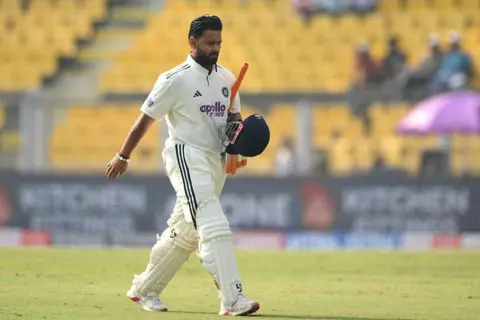
The Indian cricket team's unexpected 0-2 loss to the Proteas in the recently concluded Test series has left the team reeling.
Just days ago, the visiting team inflicted upon India their heaviest defeat in terms of runs, contrary to predictions. This represented the Proteas' first series win in India in 25 years and the host nation's another home failure in just one year after a decade-plus without a home loss.
The positive trajectory gained during the previous half-year has all but vanished and the prospects of multiple squad members - including team coach the coach - now hang in the balance.
Initial Hope Fades Quickly
The emerging side's commendable display in England this season, under a new captain, indicated a smooth transition after the near-simultaneous departures of veterans R Ashwin, Rohit Sharma, and Virat Kohli.
An easy 2-0 win over the Windies at the start of the home campaign enhanced that perception, before the Proteas turned up and handed out a fell blow.
The home side were a bit unlucky that leader Shubman Gill was injured quickly in the initial match and was ruled out in the series. Yet that neither explains nor absolves the squad of the terribly sub-par display in the two games against the opposition.
A number of star cricketers were damaged, and several players eyeing extended tenures in Tests were shown as not yet good enough - technically or mentally - for the Test cricket.
A Troubling Pattern
It was the second series sweep in home conditions suffered by India in just more than a year. Last year, unfancied New Zealand had secured a remarkable 3-0 triumph which effectively cost India a berth in the World Test Championship (WTC) final.
The fresh failure to South Africa could damage the team's prospects of reaching the showpiece of this season as well.
After being third in the WTC rankings before the series, India have dropped to the fifth spot. Though nine more Tests are still to come, five of these are against the Aussies. Typically, playing at home would be a huge advantage - even when facing the strong Australian side. But the debacles against the Kiwis and the Proteas provide no basis for such assurance.
Causes of the Fall
India's vulnerability in red-ball cricket has been badly exposed. Nevertheless, why India have struggled so much in Test matches at home in recent times is still bewildering.
Since the turn of the century, India were regarded as unbeatable in red-ball cricket at home. In demanding climates and on tracks that assisted spinners and suited their batsmen and bowlers, the hosts dominated all comers. The odd series defeat, like in the 2012-13 season against the English, was viewed as an aberration.
Now, India seem easy pickings on home turf.
Against New Zealand in last year and South Africa this year, India were beaten at their own game. The tracks they developed to favor their game failed miserably, as opponents used them more effectively, surpassing the Indian batters and bowlers when it counted the most.
The Core Issue
A few experts argue that the Indian team is floundering in home conditions because local wickets have been altered from turners to quick wickets to train the squad to perform better abroad.
Others highlight that the domestic T20 league, in which several international stars participate, has reduced the surprise and difficulty subcontinental pitches would present to them before.
Although there is validity in these views, it does not clarify why the side's results at home have witnessed such a dramatic drop.

Several Weaknesses
Many past stars identify a complicated issue, not just a couple of reasons.
Analysts and squad members have pointed to several failings post India's embarrassing defeat to the Proteas: not respecting the foe, inadequate readiness, flawed selections, overconfidence, frequent changes of the playing XI, and prioritising limited-overs over the longer format.
This was evident in the displays of the team.
Members like Pant and Yashasvi Jaiswal, of whom so much was expected, were punished for their carelessness, while Sudarshan, Reddy, and Dhruv Jurel - who were looking to cement their place in the team - were found wanting in technique and temperament, facing the fallout for their lackadaisical method.
Only a handful - Jadeja, Bumrah, Kuldeep Yadav, Mohammed Siraj and Washington Sundar - lived up to their talent and reputation - but inadequately to secure victories.
Management Questions
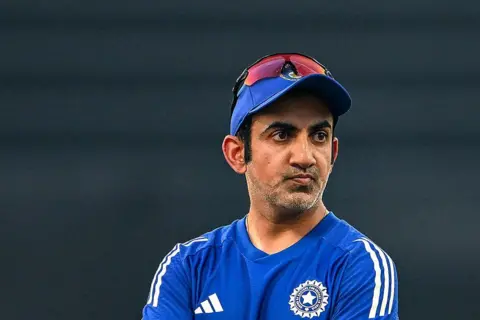
The review targeted the entire setup - team selectors and support staff were also under fire, driven by upset followers and vocal past stars. At the centre of the criticism was mentor Gautam Gambhir.
At his post-series press

